




250 YEARS
of American Marketing
What Healthcare Practices Can Learn from Our Nation's Story
As America celebrates its 250th anniversary, we have an opportunity to reflect on more than just the events that shaped our nation. We celebrate the innovators, entrepreneurs, tradesmen, physicians, and small business owners whose hard work helped build communities across the country. Their commitment to quality, integrity, and service became part of the American story—and those same values continue to shape successful businesses today.
Marketing may look dramatically different than it did in 1776, but its purpose has remained remarkably consistent. Whether you were a colonial blacksmith hanging a hand-painted sign outside your shop or a modern healthcare provider building an online presence, the goal has always been the same: earn trust, build relationships, and serve your community.
Technology has changed.
Human nature has not.
For healthcare practices, that's an important lesson to remember. While artificial intelligence, search engines, social media, and digital advertising continue to evolve, patients are still looking for something that has never gone out of style—someone they can trust with their health.
Before Websites, Marketing Was Personal
Long before websites, Google searches, or social media feeds, businesses relied on something far more powerful: reputation.
In colonial America, merchants, physicians, apothecaries, blacksmiths, printers, and craftsmen built their businesses one customer at a time. Their neighbors knew them personally. Their work spoke for itself. Referrals came through conversations at churches, town squares, community gatherings, and family dinner tables.
Many storefronts displayed painted signs rather than written names because not everyone could read. A symbol of a boot identified a cobbler. A mortar and pestle represented an apothecary. These signs became some of America's earliest forms of branding.
Even then, businesses understood something we still teach our clients today:
People remember what they see.
People remember how you make them feel.
Most importantly, people remember whether they can trust you.
Those principles remain just as relevant in today's digital world.
America's First Healthcare Professionals Understood Trust
Healthcare has always occupied a unique place in every community.
Colonial physicians and apothecaries didn't have online reviews, patient portals, or professionally designed websites. They didn't advertise through search engines or social media campaigns.
Their success depended almost entirely on their reputation.
Families recommended doctors who listened.
Neighbors referred physicians who showed compassion.
Communities supported healthcare providers who demonstrated integrity and consistency.
Fast forward 250 years, and although patients now begin their search online, they're still asking many of the same questions:
- Can I trust this provider?
- Will they take the time to listen?
- Does their team genuinely care?
- Are they experienced?
- Would I recommend them to my family?
Those questions haven't changed since America's earliest days. Only the way patients find the answers has evolved.
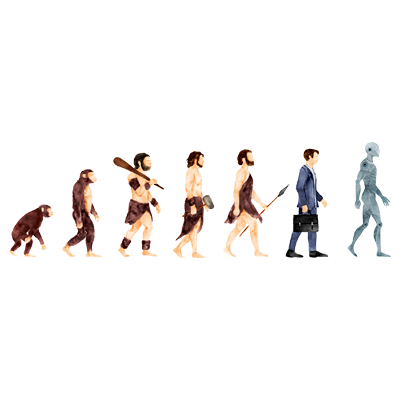
The Evolution of American Marketing
Over the past two and a half centuries, marketing has continually adapted to new technologies.
1776–1800s: Word-of-mouth referrals, community reputation, hand-painted signs, and local newspapers.
1800s: Newspapers expanded, printed advertisements became common, and catalogs allowed businesses to reach customers far beyond their hometowns.
Early 1900s: National magazines and radio brought advertising into homes across America.
1950s–1970s: Television transformed marketing by allowing businesses to tell stories visually and emotionally.
1980s–1990s: Direct mail, local print advertising, and community sponsorships became staples for growing businesses.
Late 1990s–2000s: Websites introduced businesses to a global audience and made information available around the clock.
2010s: Search engines, online reviews, smartphones, and social media fundamentally changed how consumers researched products and services.
Today: Artificial intelligence, voice search, personalized search results, predictive analytics, and automation are reshaping how patients discover healthcare providers.
Every generation experiences new marketing tools.
Every generation believes those tools change everything.
Yet the businesses that thrive are almost always the ones that understand the fundamentals never changed.
Technology Opens the Door—Trust Brings Patients Inside
Today's patients often begin their healthcare journey with an online search.
They may ask AI-powered search tools for recommendations.
They compare websites.
They read reviews.
They browse social media.
They evaluate professionalism before ever making a phone call.
Many practices focus entirely on getting found online.
That's important.
But being found is only half the equation.
Your website, branding, online reviews, photography, staff biographies, educational content, social media presence, and patient communication all answer one silent question:
"Can I trust this practice?"
Marketing doesn't end when someone visits your website.
It begins there.
The American Values That Still Build Great Brands
Some business principles have survived wars, recessions, technological revolutions, and changing generations because they simply work.
Successful healthcare practices continue to build their reputations on values that have defined American entrepreneurship for centuries:
Integrity. Doing what you promise.
Service. Putting patients first.
Consistency. Delivering the same quality experience every day.
Community. Being actively involved where you live and work.
Compassion. Treating every patient like a person—not an appointment.
Excellence. Never becoming satisfied with "good enough."
These aren't marketing trends.
They're timeless business principles.
AI Is Changing Marketing—Not Human Relationships
Artificial intelligence is one of the biggest technological shifts we've seen in decades.
It can help practices improve efficiency, analyze data, generate ideas, and answer patient questions faster than ever before.
But AI cannot replace genuine human connection.
It cannot replace empathy.
It cannot replace a caring smile at the front desk.
It cannot replace a physician who takes an extra few minutes to answer questions.
Technology should enhance the patient experience—not replace it.
The practices that will succeed over the next 25 years will be those that embrace innovation while never losing sight of what patients value most: trust, compassion, professionalism, and authentic relationships.
Celebrating 250 Years of Innovation
America's story has always been one of innovation.
From handwritten signs outside small colonial businesses to AI-powered search results that instantly connect patients with providers, our methods have changed dramatically.
What hasn't changed is the entrepreneurial spirit that drives business owners to serve their communities with excellence.
Healthcare professionals embody that spirit every day.
You improve lives.
You strengthen communities.
You earn trust one patient at a time.
That's something worth celebrating.
Looking Toward the Future
The next chapter of healthcare marketing will undoubtedly bring technologies we can't yet imagine.
Artificial intelligence will continue to evolve.
Search will become even more conversational.
Patients will expect greater personalization, faster communication, and more convenient digital experiences.
But no matter what changes, successful practices will always be built on the same foundation that helped shape America over the past 250 years:
Serve people well.
Build lasting relationships.
Keep your promises.
Protect your reputation.
Earn trust every single day.
Because while marketing tools will continue to evolve, trust remains America's most valuable brand.
How Ai Healthcare Marketing Can Help
For more than 30 years, Ai Healthcare Marketing has helped healthcare practices build brands rooted in trust, professionalism, and long-term growth. We believe great marketing isn't about chasing every new trend—it's about combining timeless business principles with today's most effective technology.
Whether you're launching a new practice, refreshing your brand, improving your website, strengthening your online presence, or preparing for the future of AI-powered search, our team is here to help you create a marketing strategy that reflects who you are and why patients should choose you.
As we celebrate 250 years of American innovation, we're honored to help healthcare professionals continue a tradition of service, integrity, and excellence for generations to come.
Built to Last:
What 250 Years of American Business Can Teach Today's Healthcare Practices
As America celebrates 250 years of independence, we also celebrate something that has quietly shaped our nation's success from the very beginning—the American small business.
Long before skyscrapers, multinational corporations, and online commerce, our country was built by local merchants, physicians, craftsmen, farmers, and entrepreneurs who believed they could create something that would outlast themselves. They worked hard, earned the trust of their communities, and built businesses that often served generations of families.
While the tools of business have changed dramatically over the last two and a half centuries, the qualities that make a business successful have remained remarkably consistent.
For healthcare providers, there is an important lesson in that history.
The practices that continue to thrive aren't always the largest or the ones with the biggest marketing budgets. More often, they're the practices that focus on building something that lasts.
America's Greatest Businesses Were Built One Relationship at a Time
When people think about American business history, they often picture industrial giants or household brands.
But our nation's foundation was built by thousands of local businesses.
The family doctor who knew every patient by name.
The pharmacist who remembered every family.
The local merchant who greeted customers personally.
The blacksmith whose craftsmanship earned the respect of an entire town.
These businesses weren't built overnight.
They were built through thousands of individual interactions that created confidence, loyalty, and trust.
Healthcare is no different today.
Every phone call...
Every appointment...
Every follow-up message...
Every smile at the front desk...
Every interaction contributes to the reputation of your practice.
Patients may discover you online, but they stay because of how they're treated.
Every Generation Faced Change
Sometimes it's easy to believe that today's business environment is more challenging than ever before.
The reality is that every generation of business owners has faced uncertainty.
Early American entrepreneurs dealt with limited transportation, economic hardship, disease outbreaks, changing populations, and rapidly evolving communities.
Business owners who survived weren't necessarily the strongest.
They were the most adaptable.
Over the past 250 years, businesses have learned to adjust to changing customer expectations, new technologies, economic downturns, and cultural shifts.
Healthcare practices face many of those same challenges today.
Artificial intelligence is changing search.
Patients expect online scheduling.
Reviews influence purchasing decisions.
Competition continues to grow.
Insurance regulations evolve.
Technology changes almost daily.
While these challenges may feel overwhelming, history reminds us that adaptation has always been part of successful business ownership.
Reputation Is Earned Long Before It's Needed
One of the greatest assets any healthcare practice can possess is a strong reputation.
Reputation isn't built during a crisis.
It's built every day.
Long before online reviews existed, businesses understood that one satisfied customer would tell friends and neighbors.
Today, that same recommendation may appear as a Google review, a Facebook recommendation, or an online referral.
The platform has changed.
Human behavior has not.
Patients continue to place tremendous value on the experiences of others.
That's why every interaction matters.
Businesses That Last Invest in Their Communities
America's oldest and most respected businesses rarely isolated themselves from the communities they served.
They sponsored local events.
They supported schools.
They participated in civic organizations.
They contributed during difficult times.
They became part of the fabric of the community.
Healthcare practices have a unique opportunity to do exactly the same.
Supporting youth sports.
Participating in health fairs.
Partnering with local nonprofits.
Providing educational seminars.
Supporting veterans.
Volunteering at community events.
These aren't simply marketing activities.
They're investments in relationships.
Patients want to know that their healthcare provider cares about the same community they call home.
Technology Should Strengthen Relationships—Not Replace Them
Over the last several decades, healthcare marketing has experienced tremendous technological advances.
Websites became digital front doors.
Search engines transformed how patients find providers.
Social media created new opportunities to educate and connect.
Artificial intelligence is now reshaping how information is discovered and shared.
Each advancement offers exciting opportunities.
But technology should never replace the human connection that defines exceptional healthcare.
Patients still appreciate a friendly voice on the phone.
They notice when staff members remember their names.
They value practices that communicate clearly and compassionately.
Technology should make those relationships stronger—not more distant.
Great Practices Think Beyond Today
Many healthcare providers spend significant time planning for next quarter or next year.
The practices that become community institutions think much further ahead.
They ask different questions.
How will patients remember us?
What kind of reputation are we building?
Are we creating systems that will continue serving patients long after today's staff has changed?
Will our brand still represent excellence ten years from now?
These questions move beyond marketing.
They define legacy.
Then & Now
Then: A Handshake Was the Contract
For many early American businesses, a person's word carried tremendous value. Trust was earned through honesty, consistency, and accountability.
Now: Your Reputation Travels at the Speed of the Internet
Today's patients may never meet you before visiting your website or reading your reviews. Digital impressions happen instantly, but they're still based on the same qualities that mattered 250 years ago—honesty, professionalism, and trustworthiness.
The Lesson: Technology may accelerate first impressions, but character still determines lasting success.
Building a Practice That Outlasts Trends
Marketing trends will continue to evolve.
Search engines will continue to change.
Artificial intelligence will become more sophisticated.
New social media platforms will emerge.
Patient expectations will continue to shift.
Yet practices built on integrity, professionalism, exceptional patient care, and meaningful community relationships will continue to thrive.
Those principles have survived for 250 years because they represent something timeless.
They represent what people value.
Looking Ahead
As we celebrate America's 250th anniversary, it's worth remembering that the businesses we admire most weren't built through shortcuts.
They were built through consistency.
Through service.
Through reputation.
Through community.
Through relationships.
Healthcare practices have the opportunity to carry that tradition forward every single day.
Long after marketing campaigns have ended and technologies have changed, patients will remember how your practice made them feel.
That's the kind of legacy worth building.
How Ai Healthcare Marketing Can Help
For more than 30 years, Ai Healthcare Marketing has partnered with healthcare professionals who want to build practices that stand the test of time. We believe successful marketing isn't about chasing every new trend—it's about creating a strong foundation that combines trust, professionalism, community engagement, and modern digital strategy.
From branding and website development to SEO, social media, patient communications, and AI-ready content, we help practices build a reputation that grows stronger with every patient interaction.
As America's story continues into its next chapter, we're proud to help healthcare practices write their own stories of growth, service, and lasting success.
Five Fun Historical Business Facts
- Many family-owned American businesses have served the same communities for more than 100 years by adapting to change while preserving the trust they earned from customers.
- During the colonial era, many physicians accepted payment in goods such as crops, livestock, or handmade products when cash was scarce—a reminder that strong community relationships often mattered more than money.
- The phrase "Main Street" became synonymous with American small business because local merchants formed the economic heart of towns across the country.
- Some of America's oldest continuously operating businesses began before the United States officially became a nation and are still serving customers today by adapting to changing times.
- Throughout 250 years of American business history, one characteristic has consistently separated enduring businesses from short-lived ones: they earned the confidence and loyalty of the communities they served.
Then & Now
250 Years of Marketing Lessons Every Healthcare Practice Should Remember
As America celebrates 250 years of innovation, entrepreneurship, and community, it's remarkable to see how much has changed—and how much has stayed exactly the same.
Our methods of communication have evolved from handwritten signs and newspaper advertisements to websites, social media, artificial intelligence, and Google search. Technology continues to move at an incredible pace, changing how businesses reach customers and how patients find healthcare providers.
Yet beneath every new innovation lies an important truth:
People haven't changed nearly as much as technology has.
Patients are still looking for providers they can trust.
Families still ask friends for recommendations.
Reputation still influences decisions.
Relationships still matter.
The marketing tools may be different than they were in 1776, but the principles that build successful healthcare practices have remained remarkably consistent.
Let's take a look at a few "Then & Now" lessons that remind us why timeless values continue to outperform temporary trends.
Then (1776)
A physician relied on neighbors telling neighbors.
In America's earliest communities, physicians didn't have websites, online reviews, or advertising campaigns.
Their practice grew because families shared their experiences with friends, neighbors, and relatives.
A doctor's reputation spread through conversations at church, community gatherings, local markets, and around dinner tables.
Trust was earned one patient at a time.
Now (2026)
Patients may not gather around the town square anymore, but they still ask the same question:
"Who do you recommend?"
Today, those recommendations often appear as:
- Google Reviews
- Online testimonials
- Facebook recommendations
- Community social media groups
- Patient referrals
- Local online forums
Technology simply allows those conversations to happen faster—and reach more people.
The Lesson
Reputation has always been the most valuable marketing asset a healthcare practice can own.
Then (1776)
A painted sign welcomed visitors.
Before electric lights, websites, or printed directories, businesses displayed hand-painted wooden signs outside their buildings.
Many signs used symbols because not everyone could read.
A mortar and pestle represented an apothecary.
A boot identified a shoemaker.
A horse symbolized a stable.
Those signs communicated professionalism and helped customers know where to go.
Now (2026)
Your website has become your front door.
Before scheduling an appointment, patients often visit your website to answer questions such as:
- Is this practice professional?
- Is the information current?
- Is the office welcoming?
- Can I trust these providers?
- Does this practice feel established?
Your website now performs the same job those painted signs did over two centuries ago.
The Lesson
First impressions have always mattered. Only the medium has changed.
Then (1776)
Business owners were known personally.
In colonial America, merchants knew their customers by name.
Healthcare providers cared for multiple generations of the same family.
Relationships created loyalty.
Loyalty created referrals.
Now (2026)
Healthcare practices still build lasting relationships.
Patients appreciate providers who remember them.
Friendly front desk staff.
Personal follow-up.
Thoughtful communication.
Educational resources.
Authentic social media.
These experiences remind patients that healthcare is still personal.
The Lesson
Technology should strengthen relationships—not replace them.
Then (1776)
Your work became your reputation.
Businesses couldn't hide poor service.
Communities were small.
People talked.
Businesses that delivered quality service earned respect.
Businesses that didn't quickly disappeared.
Now (2026)
Today's conversations happen online.
Patients leave reviews.
Share experiences.
Recommend providers.
Or unfortunately...
Warn others.
One exceptional patient experience can influence hundreds of future patients.
One poor experience can do the same.
The Lesson
Excellent patient care remains your most powerful marketing strategy.
Then (1776)
Community involvement built trust.
Business owners supported local events.
They attended community gatherings.
Helped neighbors.
Contributed during difficult times.
People wanted to support businesses that invested in the community.
Now (2026)
Healthcare practices continue to strengthen their communities by:
- Sponsoring youth sports.
- Supporting veterans.
- Participating in health fairs.
- Volunteering.
- Hosting educational seminars.
- Partnering with local nonprofits.
Community involvement still creates trust because it demonstrates genuine commitment—not just promotion.
The Lesson
Communities support businesses that support their communities.
Then (1776)
Success took time.
Businesses weren't built overnight.
Reputation required patience.
Trust developed through years of consistent service.
Now (2026)
Many practice owners feel pressure to see immediate results from every marketing campaign.
While digital marketing delivers valuable insights faster than ever before, the strongest brands still grow through consistency.
Regular patient education.
Consistent branding.
Quality websites.
Search engine optimization.
Social media.
Online reviews.
Community involvement.
Every small effort contributes to long-term success.
The Lesson
Great brands are built over time—not overnight.
Looking Toward America's Next 250 Years
Artificial intelligence will continue to transform marketing.
Search engines will evolve.
New technologies will emerge.
Patient expectations will continue changing.
But if history has taught us anything, it's this:
Businesses that focus solely on technology eventually fall behind.
Businesses that focus on people continue to thrive.
Healthcare has always been, and always will be, about relationships.
The tools will change.
The platforms will change.
The algorithms will change.
But trust, compassion, integrity, and exceptional patient care will always remain the foundation of every successful healthcare practice.
As America celebrates 250 years of innovation, perhaps the greatest lesson we can learn is that while progress is exciting, the values that built our nation are still the values that build successful businesses today.
How Ai Healthcare Marketing Can Help
For more than 30 years, Ai Healthcare Marketing has helped healthcare practices embrace new technology without losing sight of timeless business principles. We believe the most successful marketing strategies combine modern digital tools with the values that have always mattered—trust, consistency, professionalism, and meaningful patient relationships.
Whether you're improving your website, strengthening your online reputation, optimizing for AI-powered search, or building a stronger brand, our team is committed to helping your practice grow while preserving the reputation you've worked so hard to earn.
The tools may change, but building trust never goes out of style.
Five Fun "Then & Now" Facts
- Then: Patients asked neighbors for recommendations. Now: Patients often ask Google—but both rely on trust.
- Then: A painted sign welcomed customers. Now: Your homepage is often the first thing patients see.
- Then: Word-of-mouth spread through the town square. Now: Online reviews can reach thousands of prospective patients in minutes.
- Then: Business owners built relationships face-to-face. Now: Relationships often begin digitally but still depend on genuine human connection.
- Then and Now: The businesses that earn the greatest respect are still the ones that consistently serve their communities with integrity, compassion, and excellence.

The American Dream Is Still Alive
One Patient at a Time
For 250 years, America has been known as a place where ordinary people with extraordinary determination could build something of their own.
Farmers built family homesteads.
Craftsmen opened neighborhood shops.
Merchants created businesses that served generations.
Doctors established practices that became trusted pillars of their communities.
The American Dream has never been about taking the easiest path. It has always been about having the opportunity to create something meaningful through hard work, dedication, and service to others.
That dream is alive today in healthcare.
Every independent physician, dentist, veterinarian, optometrist, dermatologist, therapist, and healthcare provider who opens the doors to a private practice is continuing a tradition that has helped shape our nation for more than two centuries.
Every Practice Begins With a Dream
Few people decide to open a healthcare practice because they want to become marketers, accountants, human resource managers, or technology experts.
Most providers begin with something much simpler.
A desire to help people.
A vision of practicing medicine on their own terms.
The opportunity to build lasting relationships with patients.
The freedom to create an environment where compassion and quality care come first.
That vision is what inspires years of education, long nights of studying, residency programs, licensing exams, and countless hours of sacrifice.
Long before the first patient walks through the door, the dream has already required years of commitment.
Building a Practice Takes Courage
Starting a healthcare practice is one of the most significant entrepreneurial decisions a person can make.
There are buildings to lease or purchase.
Equipment to finance.
Technology systems to install.
Insurance contracts to negotiate.
Staff members to hire.
Policies to create.
Marketing to launch.
Patients to earn.
Every successful practice owner remembers those early days.
The excitement.
The uncertainty.
The first phone call.
The first appointment.
The first online review.
The first employee.
Every milestone represents another step toward building something that belongs to you and serves your community.
That spirit of entrepreneurship is woven into America's history.
Success Is Measured One Patient at a Time
When people think about business success, they often think about numbers.
Revenue.
Growth.
Locations.
Production.
While those metrics certainly matter, healthcare has always been different.
Success is measured in healthier patients.
Families who trust you with their care.
Children who grow into adults and bring their own families back to your practice.
Patients who recommend you because they know you'll care for their friends and loved ones just as you cared for them.
Those relationships become the true measure of success.
Over time, they become your legacy.
The Dream Doesn't End After Opening Day
Many practice owners believe the hardest part is opening the doors.
In reality, opening day is only the beginning.
Healthcare continues to evolve.
Technology changes.
Insurance requirements shift.
Patient expectations grow.
Artificial intelligence is transforming how people search for providers and access healthcare information.
Competition becomes stronger.
Economic conditions fluctuate.
The dream that inspired you to open your practice deserves ongoing attention and protection.
Like any successful business, it must continue to adapt while remaining true to its values.
Marketing Protects What You've Built
Some people think marketing is simply advertising.
In reality, marketing is much more than promoting services.
Marketing protects the reputation you've spent years building.
It helps patients discover your practice.
It tells your story before someone ever meets you.
It communicates your values.
It demonstrates your professionalism.
It reinforces the trust you've earned.
Your website.
Your logo.
Your patient education.
Your social media.
Your online reviews.
Your community involvement.
Every one of these tells prospective patients something about your practice before they ever schedule an appointment.
Marketing isn't about changing who you are.
It's about helping more people discover who you already are.
Independence Doesn't Mean Standing Alone
One of the greatest strengths of American entrepreneurship has always been collaboration.
Successful business owners surround themselves with trusted professionals.
Accountants.
Attorneys.
Financial advisors.
Technology specialists.
Human resource professionals.
Healthcare consultants.
Marketing experts.
Each brings specialized knowledge that allows practice owners to focus on what they do best.
Providing exceptional patient care.
No physician should have to become an SEO expert.
No dentist should have to master website development.
No veterinarian should spend evenings trying to understand search algorithms.
Your expertise belongs in caring for patients.
Our expertise is helping patients find you.
Then & Now
Then: Building Trust One Conversation at a Time
For generations, healthcare providers built their practices through personal relationships, community involvement, and referrals from grateful patients.
Now: Building Trust Across Every Digital Touchpoint
Today's patients often meet your practice online before they ever meet you in person. Your website, reviews, social media, educational content, and online presence all contribute to the first impression they form.
The Lesson: The tools have changed, but your mission remains exactly the same—earning the trust of every patient you serve.
Your Story Matters
Every healthcare practice has a story.
There is a reason you chose your profession.
A reason you opened your own practice.
A reason you continue showing up every day despite the challenges.
Patients connect with stories.
They appreciate authenticity.
They want to know the people behind the practice.
Sharing your story isn't about self-promotion.
It's about helping patients understand the heart behind your work.
The American Dream Continues
As America celebrates 250 years of independence, we're reminded that our nation's strength has always come from individuals willing to invest in their communities.
Healthcare professionals embody that spirit every day.
You create jobs.
You improve lives.
You mentor staff.
You support local organizations.
You strengthen neighborhoods.
You comfort families during difficult moments.
Your practice represents far more than a business.
It represents a commitment to service that reflects some of America's most enduring values.
The American Dream isn't a chapter in a history book.
It's happening every day in practices across our country.
One patient.
One family.
One relationship at a time.
How Ai Healthcare Marketing Can Help
For more than 30 years, Ai Healthcare Marketing has had the privilege of working alongside independent healthcare professionals who had the courage to build something of their own. We understand that your practice represents years of sacrifice, dedication, and unwavering commitment to serving others.
Our mission is to help protect and grow what you've built. From strategic branding and website development to SEO, social media, patient education, online reputation management, and AI-ready digital marketing, we help ensure your story reaches the patients who need you most.
Because every great healthcare practice begins with a dream—and we're honored to help that dream continue to grow for generations to come.

The Evolution of Marketing:
From Word-of-Mouth to Artificial Intelligence
250 Years of Innovation...
One Timeless Principle
As America celebrates its 250th anniversary, we naturally reflect on the inventions, ideas, and innovations that transformed our nation.
From the steam engine to the telephone.
From automobiles to the internet.
From handwritten letters to artificial intelligence.
Innovation has always been part of the American story.
Marketing has experienced that same remarkable evolution.
Over the past 250 years, businesses have continually discovered new ways to connect with customers. Every generation embraced the newest technology, believing it would forever change the way business was done.
And every generation was right.
The tools did change.
The opportunities expanded.
Communication became faster.
Information became easier to access.
But through every advancement—from the town square in 1776 to AI-powered search in 2026—one truth has remained unchanged:
People still choose businesses they trust.
Let's take a journey through the history of marketing and discover why the fundamentals remain just as important today as they were 250 years ago.
1776 – Word of Mouth
America's earliest businesses didn't have advertising agencies or marketing departments.
Success depended almost entirely on reputation.
A physician earned new patients because families recommended them.
A blacksmith gained customers because neighbors trusted the quality of their work.
A merchant built a loyal following by treating customers fairly and standing behind every product they sold.
There were no websites.
No reviews.
No social media.
Only conversations.
A recommendation from a friend carried tremendous influence because trust had already been established.
Marketing Lesson
People have always trusted people more than advertisements.
Early 1800s – Newspapers
As newspapers became more common across America, businesses discovered a powerful new way to reach potential customers.
For the first time, merchants could communicate with hundreds or even thousands of readers simultaneously.
Physicians announced office hours.
Apothecaries promoted medicines.
Merchants advertised imported goods.
Communities became more connected through printed communication.
Yet despite this revolutionary technology, businesses quickly discovered something important.
An advertisement could attract attention.
Only great service created repeat customers.
Marketing Lesson
Advertising creates awareness. Exceptional service creates loyalty.
Late 1800s – Mail-Order Catalogs
The arrival of mail-order catalogs transformed commerce forever.
Families living hundreds of miles from large cities suddenly had access to products they had never seen before.
Businesses could now reach customers across entire regions instead of just their hometown.
This was one of America's first examples of large-scale personalized marketing.
Companies understood that convenience created value.
Marketing Lesson
Make it easier for customers to do business with you.
Early 1900s – Radio
Radio introduced something marketing had never experienced before.
A voice.
Businesses could now speak directly into people's homes.
Listeners heard emotion.
Personality.
Confidence.
Stories became one of marketing's most powerful tools.
Healthcare providers discovered that education and trust could be built through conversation, not simply advertisements.
Marketing Lesson
People connect with stories far more than sales pitches.
1950s – Television
Television changed everything.
Customers could finally see businesses.
Families welcomed advertising into their living rooms.
Companies began building recognizable brands instead of simply promoting products.
Logos became familiar.
Slogans became memorable.
Faces became trusted.
Healthcare organizations also discovered the importance of professionalism, appearance, and public perception.
Marketing Lesson
People often judge quality before they experience it.
1980s – Direct Mail
While television dominated national advertising, direct mail became one of the most effective ways for local businesses to connect with their communities.
Healthcare practices mailed newsletters.
Appointment reminders.
Health education.
Seasonal promotions.
Community event announcements.
Unlike mass advertising, direct mail created personal communication.
Patients felt remembered.
Marketing Lesson
Personalized communication strengthens relationships.
1990s – The Internet Arrives
When websites first appeared, many business owners questioned whether they were necessary.
Some believed the internet would never replace traditional marketing.
Others saw unlimited opportunity.
Today it's difficult to imagine a business operating without a website.
Your website became:
Your front door.
Your receptionist after hours.
Your educational library.
Your first impression.
Patients could finally learn about your practice before making a phone call.
Marketing Lesson
Patients research before they purchase.
2000s – Search Engines Change Everything
Instead of flipping through phone books, patients began typing questions into search engines.
"Family doctor near me."
"Best dentist in town."
"Pediatrician accepting new patients."
Suddenly, visibility mattered.
Practices with strong websites and accurate online information became easier to find.
Search Engine Optimization (SEO) became one of the most important investments healthcare practices could make.
Marketing Lesson
If patients can't find you, they can't choose you.
2010s – Social Media
Marketing became more personal than ever before.
Healthcare providers could educate patients.
Celebrate staff.
Highlight community involvement.
Answer common questions.
Share success stories.
Instead of businesses speaking to patients, conversations began happening with patients.
Social media reminded us that healthcare isn't simply about procedures.
It's about people.
Marketing Lesson
Relationships grow through conversation, not constant promotion.
2020s – Artificial Intelligence
Artificial intelligence is transforming marketing at a pace we've never experienced before.
Patients ask AI assistants for recommendations.
Search engines summarize information before users visit websites.
Automation helps practices communicate more efficiently.
Predictive analytics improve decision-making.
Content can be created faster than ever.
These tools are remarkable.
But they don't replace trust.
Artificial intelligence can answer questions.
It cannot replace compassion.
It can organize information.
It cannot replace empathy.
It can recommend providers.
Patients still decide whom they trust.
Marketing Lesson
Technology changes how patients find you. Character determines whether they choose you.
The One Thing That Never Changed
As remarkable as marketing's evolution has been, every successful era has shared one common foundation.
Trust.
Whether patients heard about a physician from a neighbor in 1776...
Read a newspaper advertisement in 1825...
Listened to a radio interview in 1935...
Watched a television commercial in 1965...
Received a postcard in 1988...
Visited a website in 1998...
Read Google Reviews in 2015...
Or asked an AI assistant for recommendations in 2026...
They're still making the same decision.
Can I trust this healthcare provider?
That question has never changed.
And it never will.
Looking Toward the Future
No one knows exactly what marketing will look like 25 years from now.
Artificial intelligence will continue evolving.
Voice search will become even more conversational.
Virtual experiences may become commonplace.
New technologies we haven't imagined will emerge.
Yet if history teaches us anything, it's this:
Businesses that chase technology without building trust eventually struggle.
Businesses that embrace innovation while remaining committed to integrity, professionalism, exceptional service, and meaningful relationships continue to thrive.
The future belongs to practices that understand both.
How Ai Healthcare Marketing Can Help
For more than 30 years, Ai Healthcare Marketing has helped healthcare practices navigate every stage of marketing's evolution. From traditional branding and direct mail to responsive websites, search engine optimization, social media, reputation management, and AI-ready digital strategies, we've adapted as technology has advanced while never losing sight of what matters most—building trust.
As healthcare marketing continues to evolve, our commitment remains the same: helping practices combine the newest technology with timeless principles that have driven successful businesses for more than 250 years.
Because while marketing tools will continue to evolve...
People never stop looking for someone they can trust.
Five Fun Marketing History Facts
- Before the internet, many Americans relied on the local telephone directory as one of the first places to find a doctor or dentist—today, that role has largely been replaced by search engines and online maps.
- Direct mail became one of the most effective healthcare marketing tools of the 1980s because it allowed practices to educate patients while staying connected between appointments.
- Some of the earliest American newspaper advertisements promoted physicians, apothecaries, and health remedies, proving that healthcare marketing has been part of American business since the nation's earliest days.
- Search engines changed healthcare forever by allowing patients to compare providers, read reviews, and research treatment options before ever making a phone call.
- Artificial intelligence may represent the newest chapter in marketing history, but every major advancement—from newspapers to radio, television, websites, and AI—has shared one goal: helping people connect with businesses they can trust.

FUN
FACTS
One of America's earliest business "logos" wasn't a logo at all—it was a painted symbol hanging outside a shop, helping customers identify businesses before literacy became widespread.
Colonial physicians and apothecaries relied almost entirely on word-of-mouth referrals, making reputation their most valuable marketing asset.
Mail-order catalogs in the late 1800s revolutionized American commerce by allowing families in rural communities to shop from home decades before online shopping existed.
Radio advertising introduced storytelling into marketing, allowing businesses to build emotional connections with audiences long before television and the internet.
Although marketing channels have evolved from town squares to AI-powered search, the most successful businesses throughout American history have always shared one quality: they earned the trust of the people they served.